
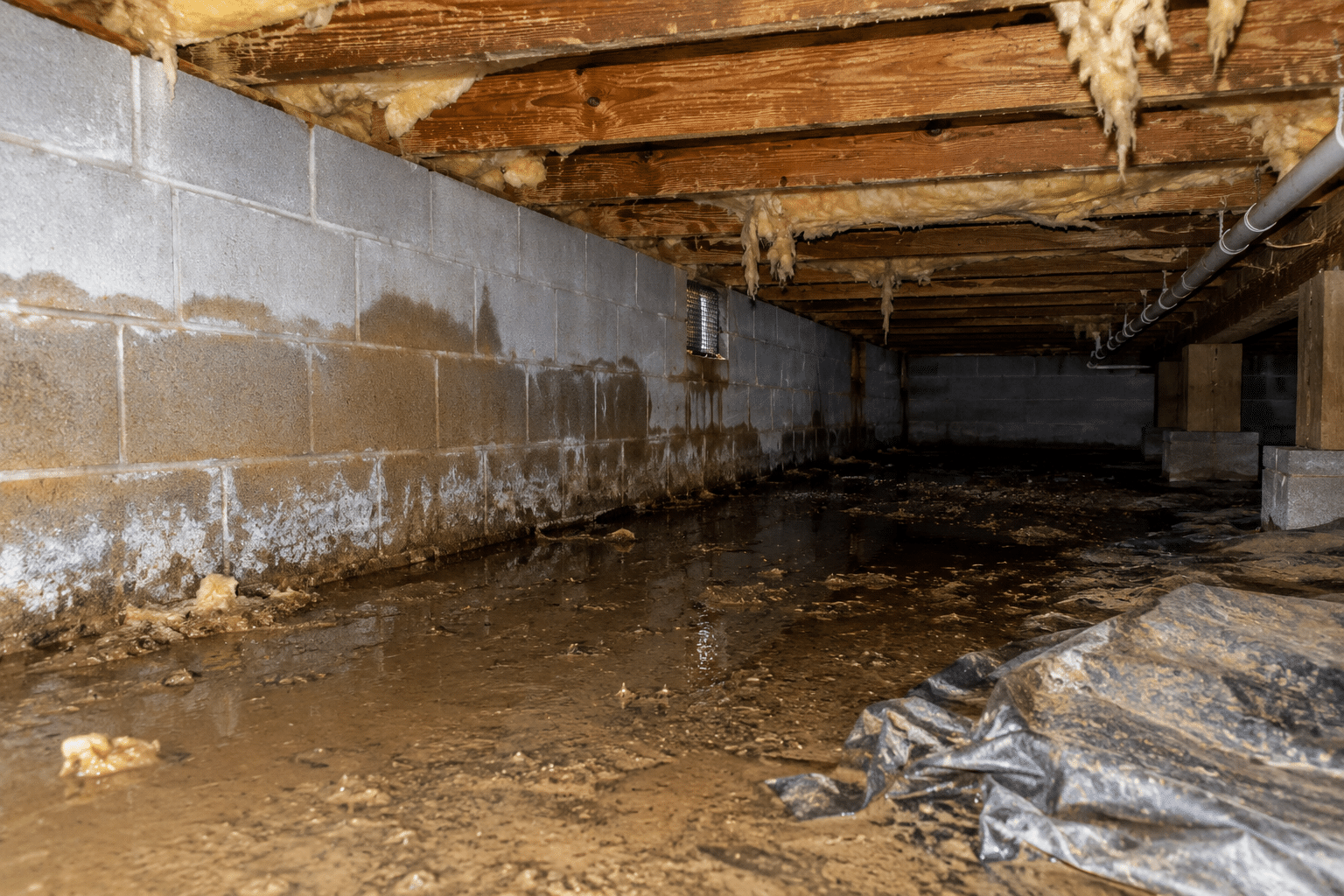
Moisture conditions around and beneath a home can create environments that support a variety of pests. Crawlspaces, poor drainage, and areas where water accumulates are commonly associated with increased activity from both termites and mosquitoes.
Understanding these conditions can help homeowners identify potential concerns and support long term pest prevention.
Why Moisture Matters
Many pests rely on moisture for survival and reproduction.
Moist conditions can:
• Support termite activity
• Create mosquito breeding environments
• Contribute to wood deterioration
• Increase humidity in concealed spaces
Managing moisture is one of the most important parts of pest prevention.
According to the National Pest Management Association, excess moisture is a common factor contributing to pest activity around residential properties.
Crawlspaces and Hidden Moisture
Crawlspaces are often out of sight, but they can contain conditions favorable to pests.
Inspectors may observe:
• Damp soil conditions
• Elevated humidity
• Condensation on surfaces
• Poor ventilation
• Moisture staining on framing materials
These conditions can support both termite activity and other moisture related concerns.
Outdoor Areas That Hold Water
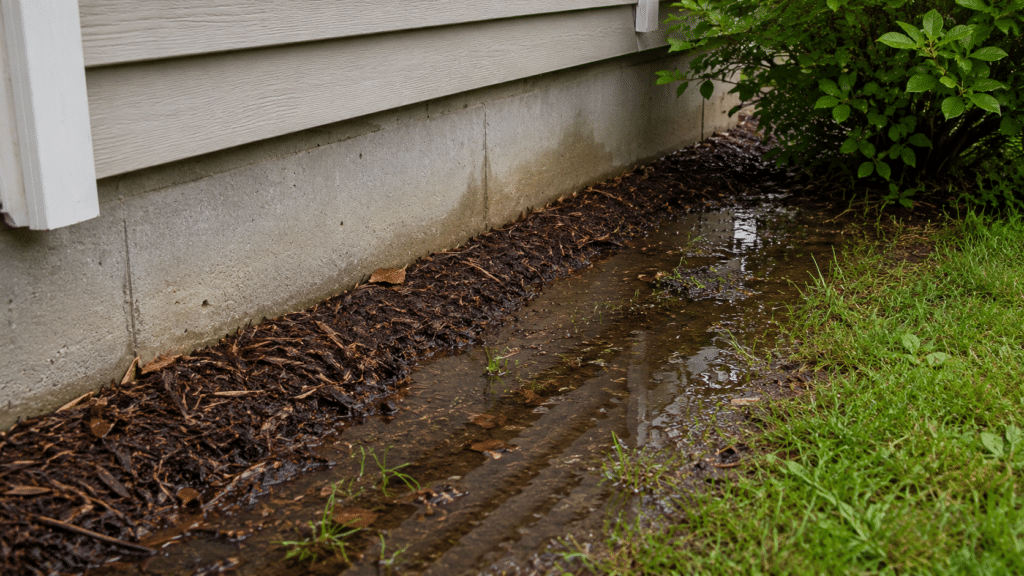
Standing water around the property can create breeding sites for mosquitoes.
Common areas include:
• Low spots in the yard
• Clogged gutters
• Birdbaths and containers
• Areas with poor drainage
• Water collecting near the foundation
Even small amounts of standing water can support mosquito breeding.
Landscaping and Moisture Retention
The area surrounding the home can influence moisture levels.
Inspectors may note:
• Dense vegetation near the structure
• Excess mulch against siding
• Poor grading
• Water trapped by landscaping features
These conditions can hold moisture and contribute to pest activity.
Wood to Soil Contact
Wood components that remain in direct contact with soil are more likely to experience prolonged moisture exposure.
Examples include:
• Deck posts
• Fence connections
• Siding close to grade
• Structural wood near damp soil
Reducing moisture and maintaining clearance can help make conditions less favorable to termites.
Signs Moisture May Be Supporting Pest Activity
Homeowners may notice:
• Increased mosquito activity outdoors
• Damp or musty crawlspaces
• Wood showing signs of moisture damage
• Standing water after rainfall
These conditions may indicate areas that deserve attention.
Reducing Moisture Around the Home
Simple maintenance practices can help reduce favorable conditions.
These include:
• Improving drainage
• Cleaning gutters regularly
• Reducing standing water
• Maintaining proper grading
• Promoting crawlspace ventilation
As discussed in our article on How Moisture Conditions Support Pest Activity, addressing moisture sources is one of the most effective ways to reduce conditions that attract pests.
Supporting Long Term Pest Prevention
Pest prevention begins with understanding the conditions that support pest activity. Managing moisture around and beneath the home can help reduce environments that are favorable to termites, mosquitoes, and other pests.

