
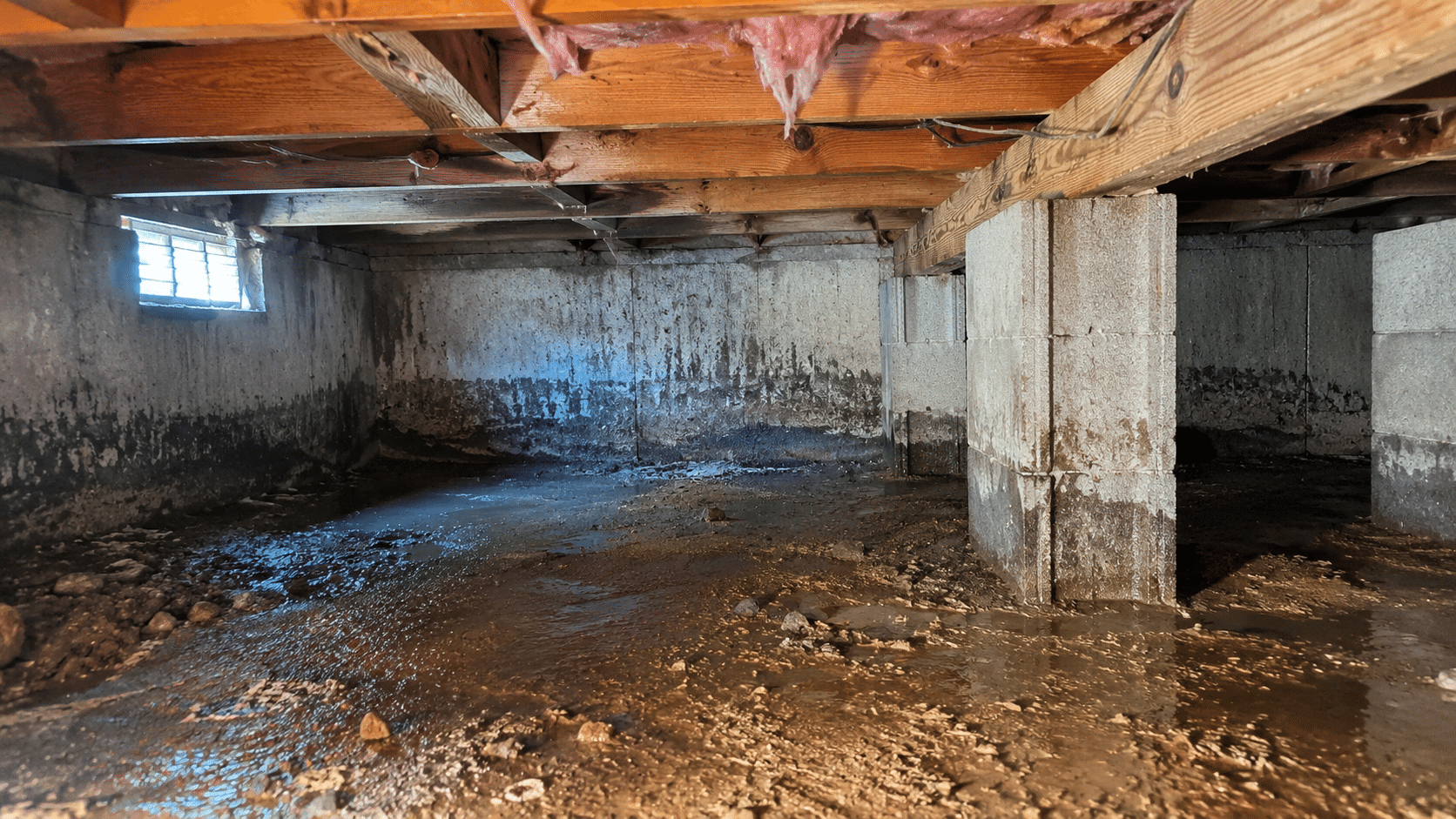
Moisture is one of the most important environmental factors influencing pest activity around the home. During Maryland’s warmer months, damp conditions can create favorable environments for a variety of pests, including termites and mosquitoes.
Understanding how moisture contributes to pest activity can help homeowners identify conditions that may require attention before they become larger concerns.
Why Moisture Attracts Pests
Many pests depend on moisture to survive, reproduce, or establish colonies.
Moisture can:
• Create suitable breeding conditions
• Support food sources for pests
• Increase humidity in concealed areas
• Contribute to wood deterioration and decay
Managing moisture helps reduce conditions that pests often seek out.
According to the National Pest Management Association, moisture problems around a home are among the most common factors contributing to pest activity.
Common Moisture Sources Around the Home
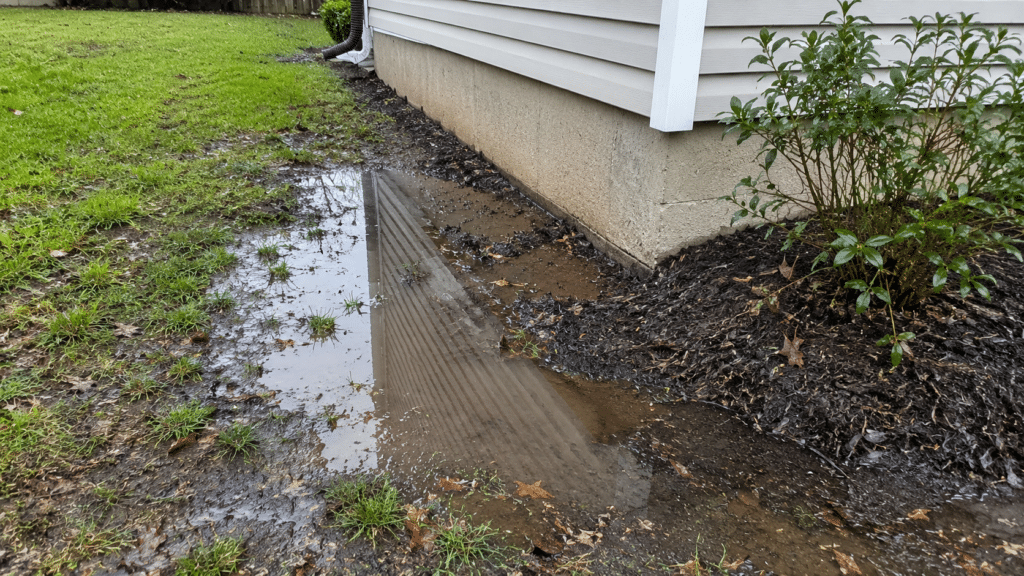
Moisture can originate from both interior and exterior conditions.
Inspectors often observe:
• Poor drainage near the foundation
• Standing water after rainfall
• Leaking exterior fixtures
• Damp crawlspaces and basements
• Overflowing gutters and downspouts
These conditions may create environments favorable to pest activity.
Termites and Moisture
Subterranean termites require moisture to survive and are commonly associated with damp environments.
Conditions that may attract termites include:
• Wood to soil contact
• Persistent moisture near structural wood
• Damp crawlspaces
• Areas with poor ventilation
Reducing moisture helps make conditions less favorable for termite activity.
Mosquitoes and Standing Water
Mosquitoes rely on water to reproduce.
Common breeding locations include:
• Clogged gutters
• Birdbaths
• Plant containers
• Low spots in the yard
• Areas where water remains after rain
Even small amounts of standing water can support mosquito breeding.
Crawlspaces and Hidden Moisture
Crawlspaces often contain conditions that are not immediately visible to homeowners.
Inspectors may observe:
• Elevated moisture levels
• Damp soil conditions
• Condensation on surfaces
• Limited ventilation
These areas can support both pest activity and moisture related concerns.
Landscaping and Moisture Retention
The area surrounding the home can also influence moisture conditions.
Inspectors may note:
• Dense vegetation against the structure
• Excess mulch near exterior walls
• Poor grading that traps water
These conditions can hold moisture and support pest activity.
Signs Moisture May Be Contributing to Pest Activity
Homeowners may notice:
• Increased insect activity around the home
• Musty odors in crawlspaces or basements
• Damp areas that remain wet after rainfall
• Wood showing signs of moisture damage
These observations may indicate conditions that deserve further attention.
Preventing Moisture Related Pest Conditions
Simple maintenance practices can help reduce moisture around the home.
Examples include:
• Improving drainage
• Maintaining gutters and downspouts
• Addressing leaks promptly
• Reducing standing water
• Improving crawlspace ventilation
As discussed in our article on Standing Water Around the Home and Mosquito Breeding Risks, moisture management is one of the most effective ways to reduce conditions that attract pests.
Supporting Long Term Pest Prevention
Many pest concerns begin with environmental conditions rather than the pests themselves. Understanding how moisture affects pest activity helps homeowners focus on prevention and long term property maintenance.
Managing moisture around the home can help reduce conditions that support both termite and mosquito activity over time.

