
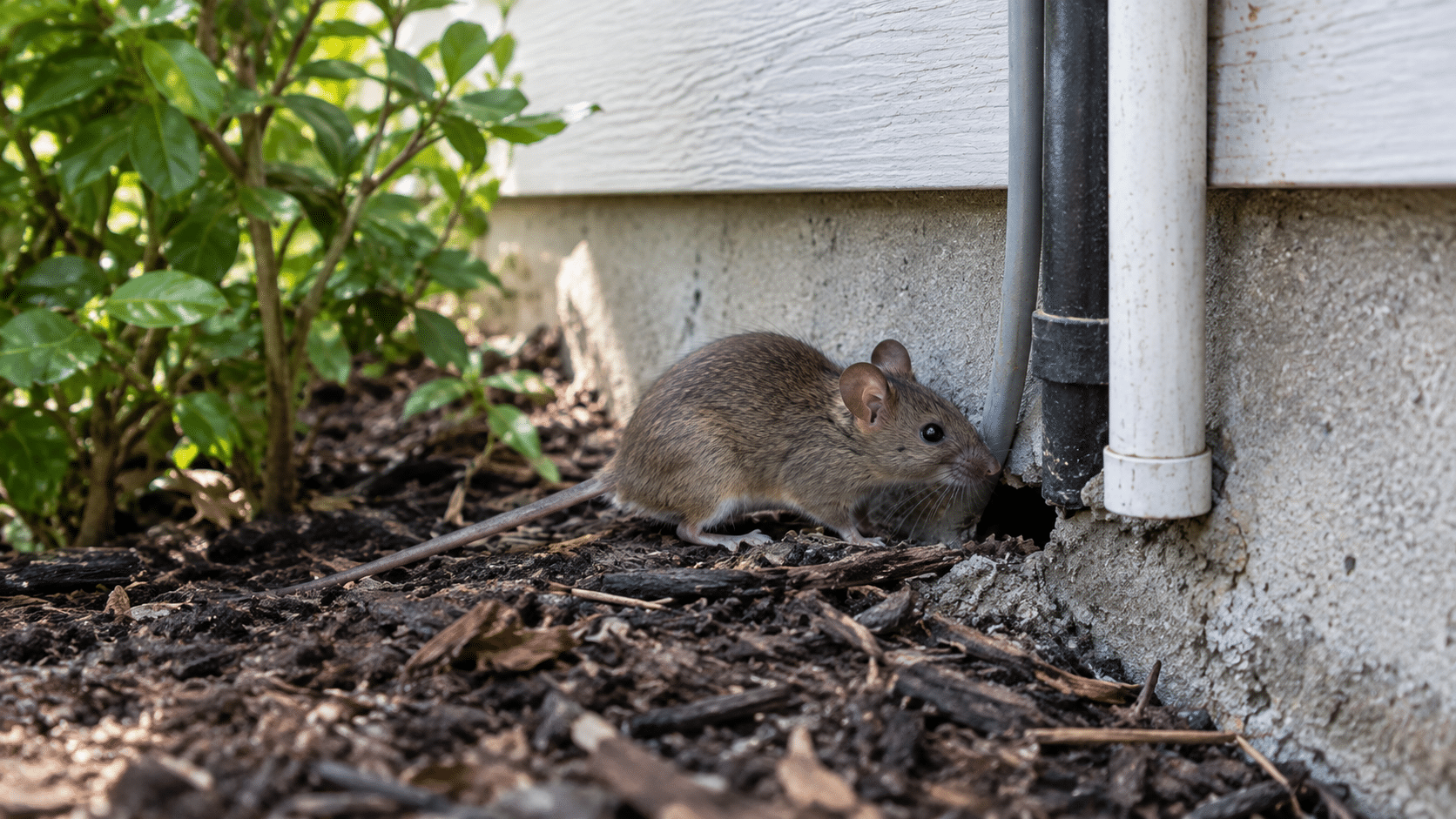
As temperatures begin to ease across Maryland, mice and rats start looking for a warmer place to spend the cooler months ahead, and homes offer exactly what they’re searching for. Mid-September marks the beginning of this seasonal shift, which makes it a practical time to check a property for the conditions that make it appealing to rodents before activity picks up in earnest.
Why It Matters
Rodents aren’t just an unpleasant presence. They can chew through wiring, insulation, and stored belongings, and they carry a real risk of contaminating food and surfaces. Because mice can enter through openings as small as a dime and rats through openings not much larger, even a well-maintained home can have vulnerable points that go unnoticed until droppings, gnaw marks, or unusual sounds in the walls signal a problem already underway.
What Technicians Evaluate
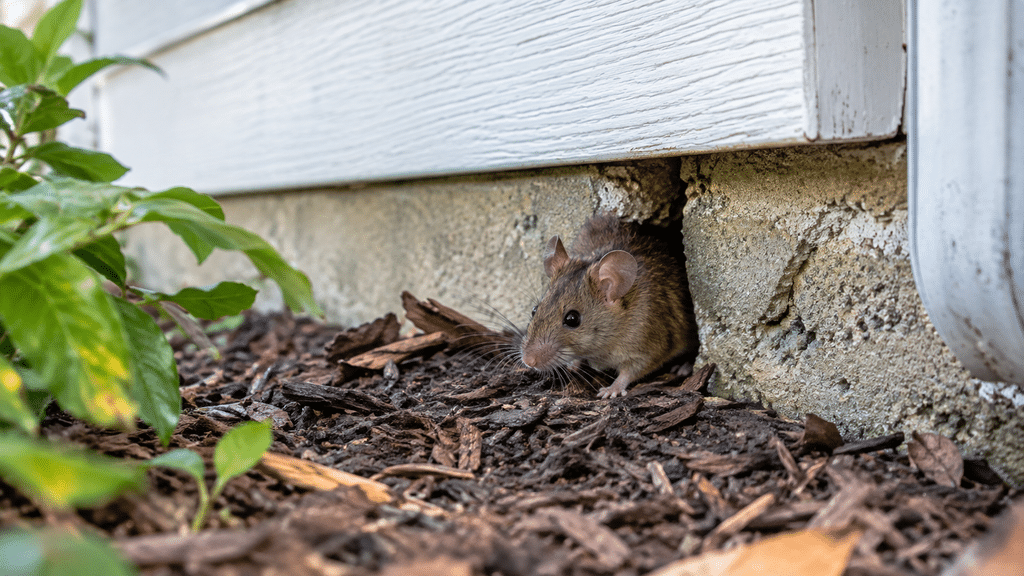
When assessing a property for rodent risk heading into fall, a technician typically looks at:
- Exterior gaps and openings, including around utility lines, vents, and foundation penetrations
- Attic and crawlspace access points, where rodents often enter unnoticed
- Food and water sources, including pet food, birdseed, and accessible trash
- Signs of existing activity, such as droppings, gnaw marks, or nesting material
- Landscaping and clutter near the home, which can provide cover for rodents approaching the structure
Exterior Entry Points
Rodents are skilled at finding and exploiting small gaps around a home’s exterior, particularly where pipes, wires, or vents pass through the foundation or siding. Technicians check these areas closely, since sealing them is one of the most effective ways to prevent rodents from getting inside in the first place, regardless of how appealing the interior conditions might otherwise be.
Attics and Crawlspaces
Attics and crawlspaces offer rodents a quiet, undisturbed space to nest, often with easy access from the exterior through vents, soffits, or gaps where the roofline meets the structure. These areas can go unchecked for long stretches, which makes fall a good time to look closely, before colder weather sets in and rodent activity in these spaces typically increases.
Food and Water Access
Pet food left out overnight, birdseed spilled beneath a feeder, and trash that isn’t securely contained all give rodents a reason to stay close to a property once they’ve found their way in. Technicians look at these food sources as part of a broader risk assessment, since removing them is often as important as sealing physical entry points.
Seasonal Considerations
Fall’s cooling temperatures reliably drive rodents to seek shelter, and Maryland homes see a consistent increase in rodent-related calls as the season progresses. Once inside, rodents also present an ongoing hazard if left unaddressed, which is why the EPA has worked to require safer, contained bait station designs for consumer rodenticide products, reducing the risk of accidental exposure to children and pets during treatment. This underscores why professional evaluation and sealing of entry points, rather than relying solely on bait, tends to be the more effective long-term approach.
Conditions that support other pests often overlap with what draws rodents indoors as well. Our recent post on late-summer cockroaches covers how food access and small entry points contribute to a range of pest issues, and the same exclusion principles apply directly to keeping rodents out this fall.
When Further Evaluation Is Recommended
A few signs point to a need for professional rodent control rather than DIY prevention alone:
- Droppings found in cabinets, along baseboards, or in the attic
- Gnaw marks on wiring, wood, or stored items
- Scratching or scurrying sounds within walls or ceilings, especially at night
- A persistent, unexplained odor in an enclosed space like a closet or crawlspace
- Visible entry points that have already shown signs of chewing or wear
None of these signs necessarily mean a large-scale infestation. In many cases, a technician can identify the entry point and address it directly, often before a larger population has a chance to establish itself.
Supporting Long-Term Maintenance and Prevention
A few consistent habits help keep rodents from finding their way indoors as the weather cools. Sealing visible gaps around the foundation, utility lines, and vents removes the most common entry points before rodents start actively searching for them. Storing pet food and birdseed in sealed containers, rather than leaving bags accessible in a garage or shed, removes an easy food source. Keeping firewood and dense landscaping a reasonable distance from the home’s exterior reduces cover that rodents use to approach unnoticed. A periodic check of the attic and crawlspace for early signs of activity makes it far easier to catch a developing problem before it grows into a larger one.

